You’ve probably heard “GLP-1” a lot lately. It comes up in conversations about appetite, blood sugar, and weight. But what is it, and what does it do inside you?
The short version is that GLP-1 is one of your body’s built-in messengers. It helps coordinate digestion, hunger, and energy after you eat. Understanding it can make your daily food and fitness choices feel less random.
What Is GLP-1?
GLP-1 stands for glucagon-like peptide-1. It’s a small hormone made of a short chain of amino acids. If you want a refresher on that building-block idea, our guide on what peptides are covers it in plain language.
Your body makes GLP-1 naturally. Specialized cells in your gut release it when food arrives, especially food containing protein, fat, and carbohydrate. Think of it as a text message from your intestines to the rest of your body: “Food is here. Get ready.”
What GLP-1 Does After You Eat
GLP-1 doesn’t do just one job. It sends several signals at once, and together they help your body handle a meal smoothly.
It Helps Manage Blood Sugar
When GLP-1 rises, it nudges your pancreas to release insulin. Insulin helps move sugar out of your bloodstream and into your cells for energy. This effect depends on blood sugar being elevated, so it works mainly when you’ve actually eaten.
GLP-1 also tells your body to ease off glucagon, a hormone that raises blood sugar. Less glucagon after a meal means fewer unnecessary sugar surges.
It Slows Down Your Stomach
GLP-1 slows how quickly food leaves your stomach. That’s a big reason a balanced meal keeps you comfortably full for a while instead of leaving you hungry again quickly.
Slower emptying also means sugar enters your bloodstream more gradually. That’s why meals with protein and fiber tend to feel steadier than a quick snack of refined carbs.
It Talks to Your Brain
GLP-1 also reaches the parts of your brain that help regulate appetite and fullness. In simple terms, it helps turn up the “I’ve had enough” signal and turn down the urge to keep eating.
Research suggests this brain connection is also tied to how rewarding food feels, which may be why people often describe the effect as “quieter food noise.” It’s an area of active study, and scientists are still learning how much it varies from person to person.
Why You Don’t Feel It Constantly
Here’s the catch with natural GLP-1: it’s short-lived. Your body breaks it down quickly, often within minutes. That keeps the signal tied to your meals instead of running all day.
Because of that fast turnover, researchers have long been interested in versions of GLP-1 that last longer in the body. That’s the idea behind medications in this class, such as semaglutide. If you’re curious about how those compounds are studied, our evidence levels guide explains how to judge the strength of what you read. Questions about any medication belong with a licensed clinician who knows your health history.
What Affects Your Natural GLP-1 Signaling?
Your body’s GLP-1 response isn’t fixed. Studies suggest everyday habits can influence how well your gut and brain communicate around meals. While no single habit is a magic switch, several stack up in your favor:
- Protein at meals. Protein is widely associated with a stronger fullness response.
- Fiber-rich foods. Vegetables, beans, oats, and fruit feed the gut bacteria that make compounds linked to healthy gut signaling.
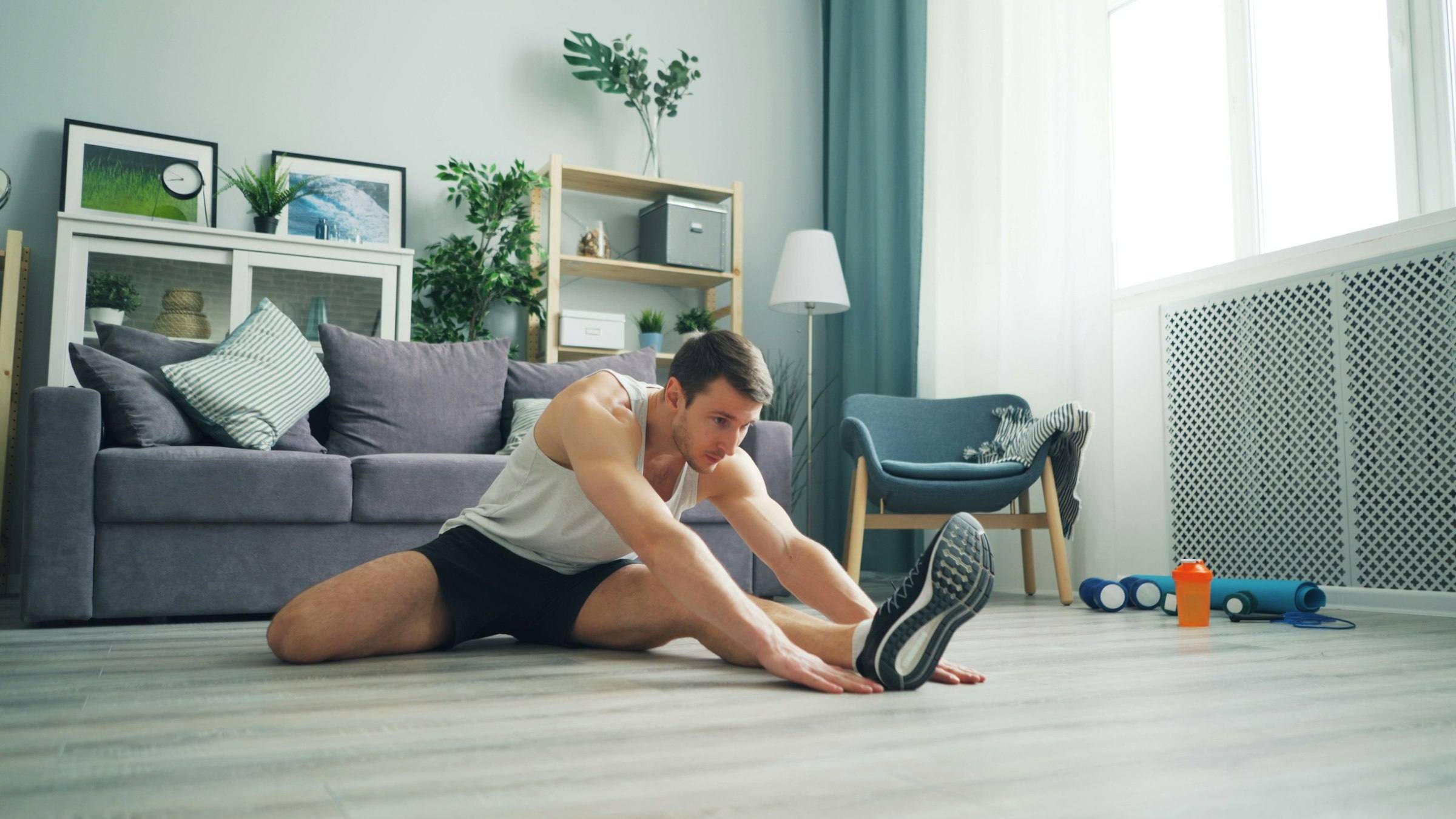
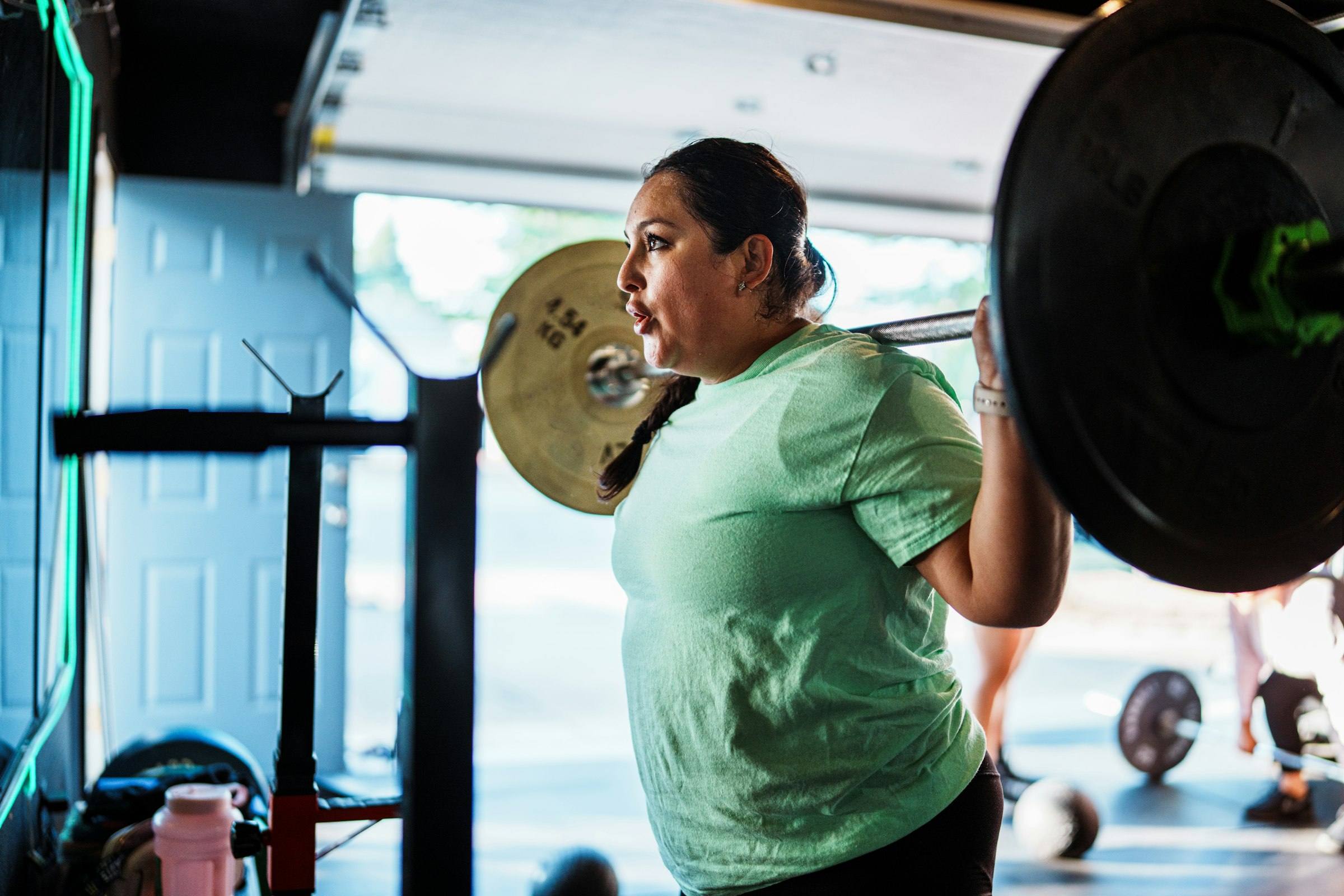
- Regular movement. Exercise supports how your body handles blood sugar, which works hand in hand with hormones like GLP-1.
- Consistent sleep. Poor sleep is linked with stronger hunger and cravings the next day.
- Eating slowly. Fullness signals take time to travel from your gut to your brain.
None of these guarantee a particular result, and bodies differ. But they’re low-risk, and they support the systems GLP-1 works through.
Practical Takeaways for This Week
You don’t need to overhaul your life. Try a few small experiments and notice how you feel.
1. Build Meals Around Protein First
Start each meal by planning the protein: eggs, fish, chicken, Greek yogurt, tofu, lentils, or whatever fits your style. Add vegetables and a smart carb, then see how your fullness lasts over the next few hours.
2. Slow Down for the First Ten Minutes
Put your fork down between bites. Take a few breaths. Your gut-to-brain signals need time to register, and a slower start often means you naturally stop at a comfortable point.
3. Add One Fiber Boost Per Day
Toss berries on your breakfast, add beans to a salad, or swap in a whole-grain side. Increase fiber gradually and drink water with it so your digestion adjusts comfortably.
4. Take a Ten-Minute Walk After a Meal
A short, easy walk after eating is a simple habit that supports steady blood sugar. It also counts toward your daily movement, which pairs well with the goals in our weight and metabolism collection.
5. Protect Your Sleep Window
Pick a consistent bedtime for the week and defend it. Better-rested days usually mean better food choices and steadier energy.
A Few Honest Limits
GLP-1 is important, but it’s one piece of a bigger picture. Your appetite is also shaped by stress, sleep, hormones, habits, and your environment. Anyone telling you a single hormone explains everything is oversimplifying.
If you have a medical condition, take medication, or have questions about blood sugar or weight, talk with your healthcare provider before making major changes. This article is general education, not medical advice.
The Big Picture
GLP-1 is your body’s after-meal messenger. It helps your pancreas release insulin when needed, slows your stomach so meals feel satisfying, and tells your brain you’ve had enough. Because it works quickly and fades quickly, the habits around your meals matter.
Start small this week. Pick two or three of the habits above, stick with them, and pay attention to how you feel. Steady, repeatable choices tend to beat dramatic ones.
FAQ
Is GLP-1 the same as a weight-loss drug?
No. GLP-1 is a hormone your body already makes. Some medications are designed to mimic or extend its effects, but the natural hormone and those medications are different things, and medications should only be used under a clinician’s guidance.
Can food really affect my GLP-1 response?
Studies suggest that what you eat, particularly protein and fiber, can influence gut hormone signaling and how full you feel. Individual responses vary, so treat food choices as experiments and notice what works for you.
Does exercise matter for GLP-1?
Exercise supports how your body manages blood sugar and energy, which works alongside hormones like GLP-1. Regular movement, even walking, is a worthwhile habit whatever your goals. Explore more in our goals library.
Educational content, not medical advice. Talk to a qualified professional before making changes to your health routine.