
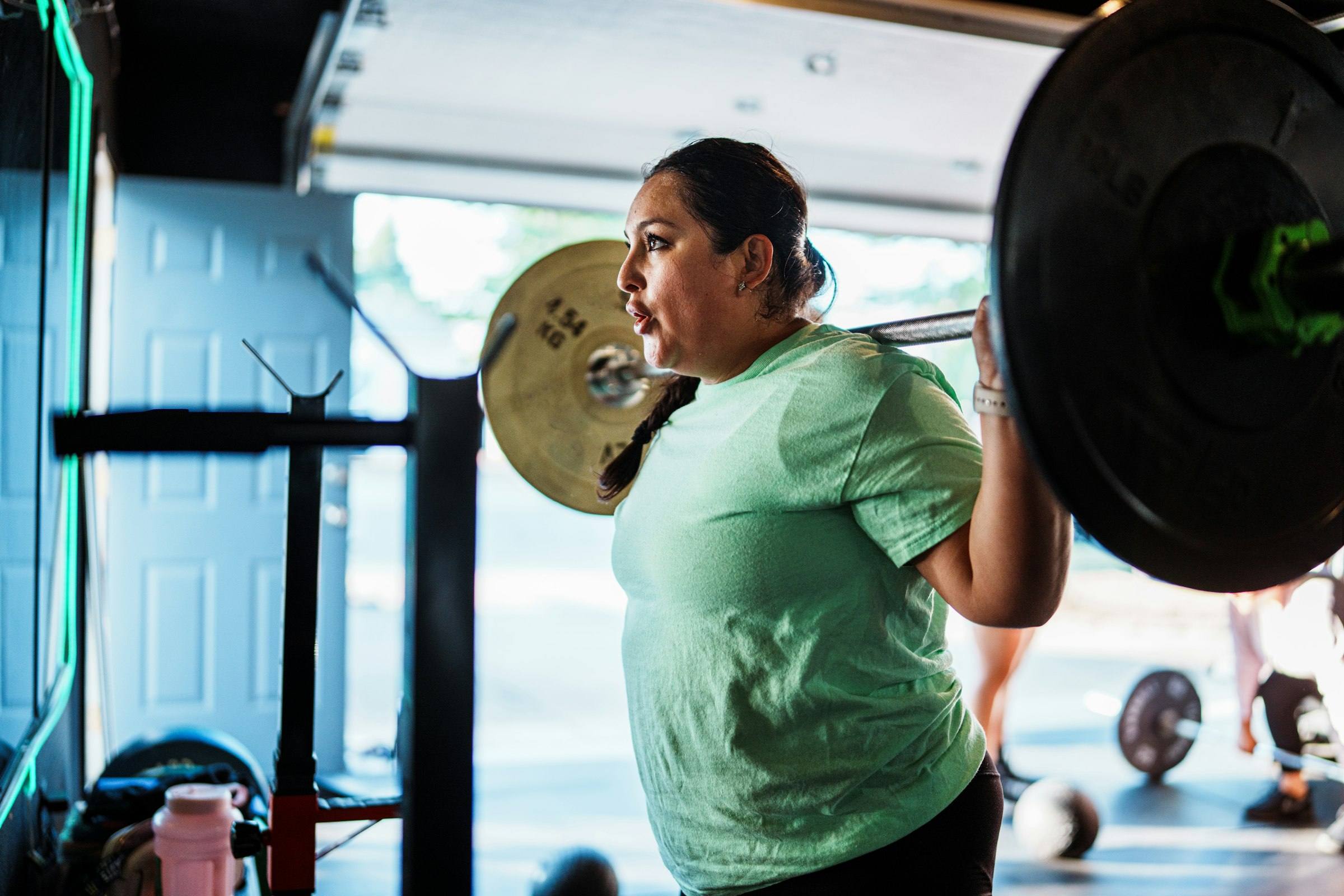
If you’ve ever been told you must either “bulk” or “cut,” you’ve probably wondered whether there’s a way to do both at once. There is, and it has a name: body recomposition. It means changing what your body is made of, with less fat and more muscle, without caring as much about what the scale says.
It isn’t magic and it isn’t instant. But for many everyday adults, especially people newer to training or returning after a break, it’s a realistic and rewarding goal. Here’s how it works and what you can do this week.
What body recomposition actually is
Weight loss and fat loss aren’t the same thing. The scale measures everything: fat, muscle, water, bone, and the food in your gut. Recomposition focuses on the ratio of fat to muscle.
That’s why two people can weigh the same and look completely different. It’s also why your weight might barely move for weeks while your clothes fit better and you feel stronger.
Studies suggest recomposition is most likely in a few groups:
- People new to resistance training
- People returning after time off
- People carrying extra body fat
- People who eat enough protein and train consistently
If you’ve trained for years and are already lean, progress tends to be slower, and that’s normal.
Why it works (and why it’s slower)
Building muscle generally calls for a signal (challenging your muscles) and raw materials (protein and enough overall energy). Losing fat generally calls for a modest energy shortfall over time. These goals pull in different directions, which is why recomposition takes patience.
The sweet spot is a small calorie deficit or near-maintenance intake, paired with regular strength training and plenty of protein. Your body can draw on stored fat for energy while the training signal tells it to hold on to, and even build, muscle.
An aggressive crash diet usually backfires here. Cut too hard and you make muscle gain unlikely while risking muscle loss. If that second part concerns you, our piece on why protecting muscle matters when you lose weight goes deeper.
The four pillars of a recomposition plan
1. Lift something challenging, consistently
Strength training is the non-negotiable piece. You don’t need a fancy program. You need to work your major muscle groups regularly and gradually ask a bit more of them over time.
A simple weekly framework:
- Two to three full-body sessions
- One or two exercises each for legs, pushing, pulling, and your core
- Two to four sets per exercise, stopping a few reps shy of failure
- A small increase in weight, reps, or quality whenever the work feels manageable
If you’re just starting out, or you’re over 40 and want a gentle on-ramp, strength training for beginners over 40 lays out a simple way in.
2. Make protein a daily habit
Protein supplies the building blocks for muscle repair. Most people do better when they spread it across the day instead of loading it all into dinner.
Practical ways to do that:
- Anchor each meal around a protein source such as eggs, fish, poultry, lean meat, Greek yogurt, tofu, beans, or lentils
- Keep easy protein snacks on hand
- Notice your usual breakfast. It’s often the lowest-protein meal of the day
Your ideal amount depends on your size, age, activity, and health, so if you have kidney disease or another medical condition, check with your clinician or a registered dietitian before changing your intake.
3. Keep a modest energy gap
You don’t need to track every bite forever, though tracking for a week or two can be eye-opening. The aim is a small, sustainable gap, not hunger and misery.
Some gentle levers:
- Fill half your plate with vegetables and fruit
- Choose whole, minimally processed foods most of the time
- Watch liquid calories
- Eat slowly enough to notice fullness
If you feel run down, dizzy, or constantly hungry, your deficit is probably too big. Ease back.
4. Move more outside the gym
Lifting is only a few hours of your week. What you do the rest of the time counts too. Daily walking is a low-stress way to nudge energy use up without taxing your recovery. We cover this in walking for fat loss, and it pairs well with strength work because it rarely interferes with it.
Don’t skip sleep and recovery
Muscle isn’t built during the workout. It’s built afterward, when your body repairs and adapts. Poor sleep can make you hungrier, more tired, and less motivated to train, which quietly undermines everything else.
Aim for a consistent sleep and wake time, a cooler dark bedroom, and a wind-down routine without screens. Managing stress helps too, since chronic stress can make recovery harder. If you’re stuck on this one, sleep and recovery is worth a read.
How to track progress without obsessing over the scale
Because recomposition shifts fat and muscle at the same time, the scale can be a poor judge. Use a mix of signals:
- Measurements: waist, hips, chest, and thighs every two to four weeks
- Photos: same lighting, same poses, every month
- Performance: are your lifts getting heavier or smoother?
- How clothes fit: often the most honest feedback
- Energy and mood: underrated but meaningful
Weigh yourself if you like, but treat it as one data point among many. Compare trends over weeks, not days.
Common mistakes to avoid
- Doing too much cardio and too little lifting. Cardio is helpful, but it can’t replace the muscle-building signal.
- Eating too little. It feels productive, but it often stalls progress and drains energy.
- Changing programs every two weeks. Progress comes from repeating and gradually improving.
- Expecting a straight line. Water retention, hormones, and stress all make the numbers bounce.
- Comparing your timeline to someone else’s. Age, history, genetics, and lifestyle all matter.
If your progress stalls for a long stretch, the steps in how to break a weight loss plateau can help you troubleshoot.
Your plan for this week
You don’t need to overhaul your life. Try this:
- Schedule two or three strength sessions on your calendar now.
- Add a protein source to every meal, starting with breakfast.
- Take a 20 to 30 minute walk on most days.
- Set a consistent bedtime and protect it.
- Take baseline measurements and a photo so you have a starting point.
Then repeat for a few weeks. Consistency beats intensity almost every time. Recomposition rewards people who keep showing up.
A note on supplements and other aids: they can’t replace the basics above, and what’s right for you depends on your health and history. If you’re considering anything beyond food and training, talk with a qualified healthcare professional first.
FAQ
Can I really lose fat and gain muscle at the same time?
Yes, it’s possible, especially if you’re new to strength training, returning after a break, or carrying extra body fat. It generally happens more slowly than doing either goal alone. Consistent training, enough protein, and a modest calorie gap give you the best chance.
How long does body recomposition take?
It varies from person to person, but many people notice changes in strength and energy within several weeks, and visible changes over a few months. Don’t judge it by the scale alone. Measurements, photos, and how your lifts are progressing tell a fuller story.
Do I need to count calories?
Not necessarily. Counting can help you learn portion sizes for a short period, but plenty of people succeed by building protein-forward meals, eating mostly whole foods, and adjusting based on results. Choose the approach you can keep doing without it taking over your life.
Educational content, not medical advice. Talk to a qualified professional before making changes to your health routine.