
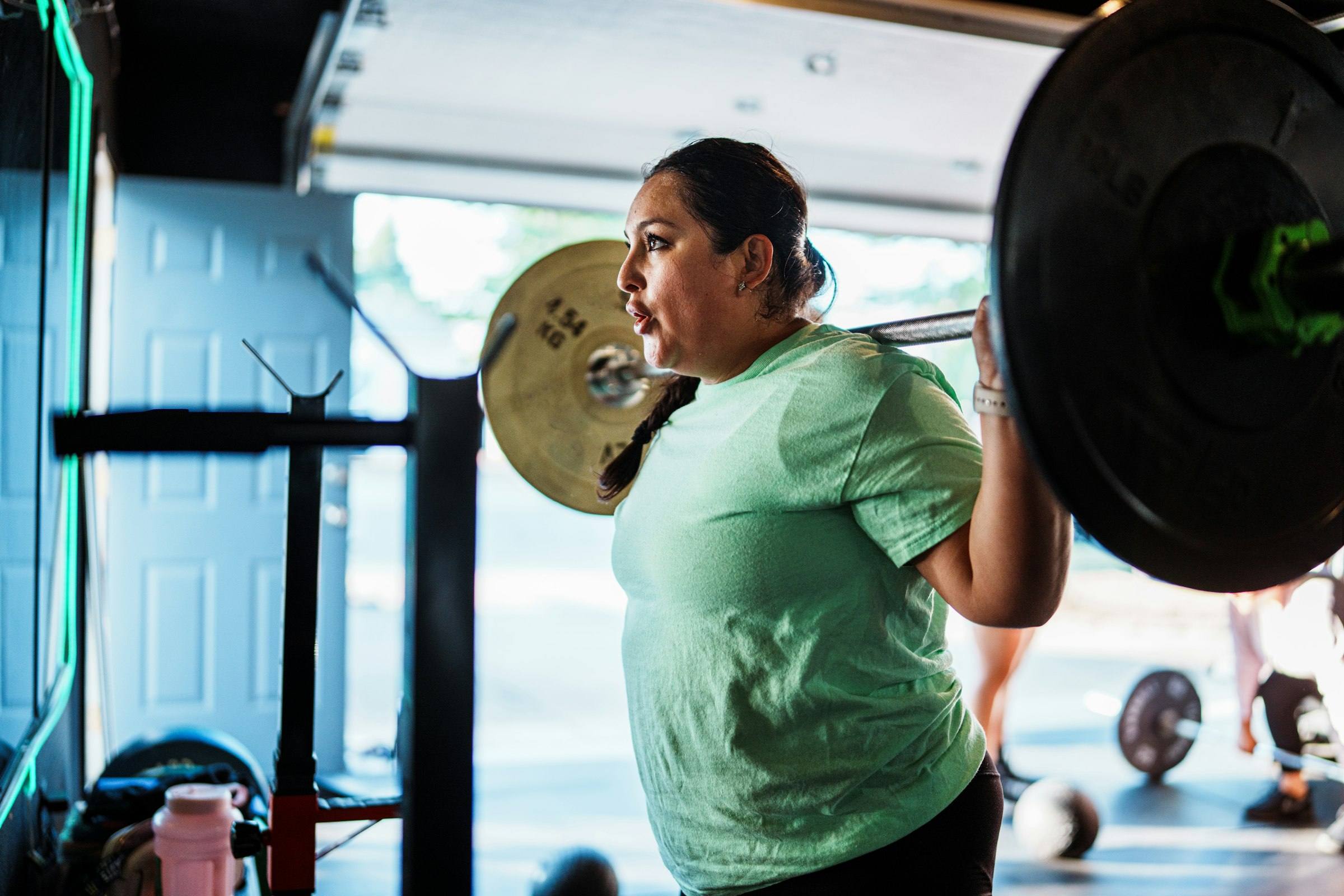
If you’re over 40 and have never lifted weights, or you stopped years ago, you haven’t missed your window. Strength training is one of the most practical things you can start at this age. You don’t need a gym membership, a complicated program, or a lot of time. You need a plan that’s simple enough to repeat.
This guide covers why strength training matters after 40, how to begin safely, and what your first few weeks can look like.
Why strength training matters after 40
Muscle tends to decline gradually with age, especially if you’re not challenging it. Studies suggest that regular resistance training can help adults of all ages maintain muscle, support bone health, and keep everyday movement easier.
In practice, that can mean:
- Carrying groceries without strain
- Getting up off the floor with less effort
- Feeling steadier on stairs and uneven ground
- Having more energy for the things you enjoy
Strength training also fits well alongside other health goals. If you’re managing your weight, for example, holding on to muscle is a big part of the picture. Our article on why protecting muscle matters when you lose weight explains this in more detail.
Before you start
You don’t need to overthink readiness, but a few basics are worth covering.
- Check in with your doctor if you have a heart condition, joint problems, high blood pressure, or an injury, or if you’ve been inactive for a long time. This is a quick conversation, not a barrier.
- Choose a realistic schedule. Two or three sessions a week is plenty for a beginner.
- Pick a place you’ll actually use. Your living room counts.
- Start lighter than you think you need to. You can always add more next week.
Your starter toolkit
You can begin with almost nothing. Any of these will work:
- Your own body weight
- A pair of adjustable or fixed dumbbells
- A set of resistance bands
- A sturdy chair or bench
- Machines at a local gym, if you prefer the guidance they offer
Don’t wait until you have the perfect setup. The best equipment is whatever gets you to show up.
Build your routine around a few movements
Instead of memorizing dozens of exercises, focus on a handful of basic movement patterns. Each one trains several muscles at once and mirrors things you do in daily life.
Squat or sit-to-stand
Lower yourself toward a chair, then stand back up. This builds your legs and hips. Hold a light weight at your chest once it feels easy.
Push
Try wall push-ups, incline push-ups against a counter, or a dumbbell press. These work your chest, shoulders, and arms.
Pull
Rows with a resistance band or dumbbell train your upper back, which supports good posture, something many of us need after years at a desk.
Hinge
Think of picking something up off the floor with a flat back and bent hips. Romanian deadlifts with light dumbbells are a common way to practice this. They work your hamstrings and glutes.
Carry or core
Walk while holding a weight at your side, or hold a plank on your knees. Both build trunk strength and stability.
A simple first-week plan
Here’s a template you can start this week. Do it two or three non-consecutive days, such as Monday, Wednesday, and Friday.
- Warm up for 5 minutes. Walk briskly, swing your arms, and do a few easy bodyweight squats.
- Do each of the five movements above for 2 sets of 8 to 12 repetitions.
- Choose a weight that feels challenging by the last few reps but still lets you keep good form.
- Rest about a minute or two between sets.
- Cool down with gentle stretching and a few slow breaths.
The whole session should take 30 to 40 minutes. If that feels like too much, do fewer sets. Consistency matters more than intensity in the early weeks.
How to progress without overdoing it
Your body adapts when you gradually ask a little more of it. This idea is often called progressive overload, and it doesn’t need to be fancy.
Once a weight feels comfortable for all your sets, try one of these changes:
- Add a rep or two per set
- Add a small amount of weight
- Slow down the lowering part of each rep
- Add a third set
Change one thing at a time, and don’t rush. Many beginners feel noticeably more capable within the first several weeks, but everyone’s pace is different, and that’s fine.
Recovery is part of the plan
Muscles get stronger during the rest between sessions, not just during the workout. After 40, recovery often deserves a bit more attention.
- Sleep. Aim for a consistent bedtime. Our sleep goals page has more on building better habits.
- Protein. Including a source of protein at each meal is a common and practical way to support muscle. Foods like eggs, fish, poultry, beans, tofu, and dairy all work.
- Hydration and easy movement. Walking on your off days can help you feel less stiff.
- Soreness versus pain. Mild muscle soreness for a day or two is normal when you’re new. Sharp, joint-centered, or lingering pain is a signal to stop and adjust. If it persists, talk with a professional.
If you want to go deeper on this topic, our recovery and repair resources are a good next stop.
Common mistakes to avoid
Most beginners over 40 run into the same few problems.
- Doing too much, too soon. Enthusiasm is great, but a week of extreme soreness can derail you.
- Skipping the warm-up. Five minutes makes a real difference in how your joints feel.
- Chasing heavy weights before good form. Learn the movement first.
- Comparing yourself to others. Your only benchmark is last month’s you.
- Quitting after a missed week. Life happens. Just start again at your next session.
Making it stick
Habits beat motivation. A few small tricks help:
- Schedule your workouts like appointments
- Lay out your gear the night before
- Keep a simple log of what you did, even in a notes app
- Celebrate non-scale wins, like lifting a heavier weight or finishing a session you almost skipped
If you want to explore more about building lean mass and body composition as part of your wellness routine, visit our muscle and body composition goals page.
Your action list for this week
- Pick three days and put them on your calendar.
- Choose your space and gather whatever equipment you have.
- Try the five-movement routine with light weights.
- Add protein to at least one meal each day.
- Write down what you did and how you felt.
That’s enough. You don’t need to be perfect, just consistent.
FAQ
How often should a beginner over 40 lift weights?
Two to three sessions per week is a good starting point for most people. Leave at least a day of rest between sessions so your muscles can recover. You can add more once the routine feels easy.
Do I need a gym to start?
No. Bodyweight exercises, resistance bands, and a pair of dumbbells are enough to build a solid foundation. A gym can be helpful if you like variety or in-person guidance, but it isn’t required.
Is it too late to start if I’ve never exercised?
Research generally suggests that adults can build strength at many ages, including later in life. Start light, focus on form, and build up gradually. If you have health concerns, check in with your doctor first.
Educational content, not medical advice. Talk to a qualified professional before making changes to your health routine.