When most people decide to lose weight, they watch one number: the scale. It’s simple and familiar, but it can’t tell you what you lost. Fat, water and muscle all count toward that number, and they don’t affect your health and daily life in the same way.
If you want to feel strong, move well and keep your results, protecting muscle should be part of the plan from day one. Here’s why it matters and how to do it.
Weight loss and fat loss aren’t the same thing
When you eat less than your body uses, it makes up the difference from stored energy. Most of that comes from body fat, but some can come from lean tissue, including muscle. Studies suggest that the faster and more aggressive the deficit, the more likely you are to lose some muscle along the way, especially if you aren’t doing anything to signal your body to keep it.
Two people can both lose the same amount on the scale and end up looking and feeling very different. One keeps their strength and shape. The other ends up smaller but softer, weaker and more tired. The difference often comes down to what happened to their muscle.
Why muscle is worth keeping
Muscle does more than make you look athletic. It works for you all day.
- It keeps you strong and capable. Carrying groceries, climbing stairs, getting up off the floor and playing with kids or grandkids all depend on muscle.
- It supports your metabolism. Muscle is active tissue that uses energy even at rest. Losing a lot of it can make your body a little more efficient at running on less, which can make further progress feel harder.
- It shapes how you look. Muscle gives your body its shape. Keeping it while losing fat tends to give a firmer, more defined look than losing weight alone.
- It supports your joints and balance. Stronger muscles help you stay steady and move with less strain, which matters more with every decade.
- It helps you keep the weight off. People who hold on to muscle often find it easier to maintain their results, because they have a stronger base to build on.
Muscle also becomes harder to build and easier to lose as we get older. That makes it a good thing to protect early rather than try to win back later.
What puts muscle at risk
Muscle tends to go missing when a few things line up:
- A very large or very fast calorie cut
- Low protein intake
- No strength training, or very little movement overall
- Poor sleep and high stress
- Rapid weight loss with little attention to what’s being lost
The good news is that most of these are in your control. You don’t need a perfect plan, just a few steady habits.
How to protect muscle while you lose weight
1. Lift something heavy enough to be challenging
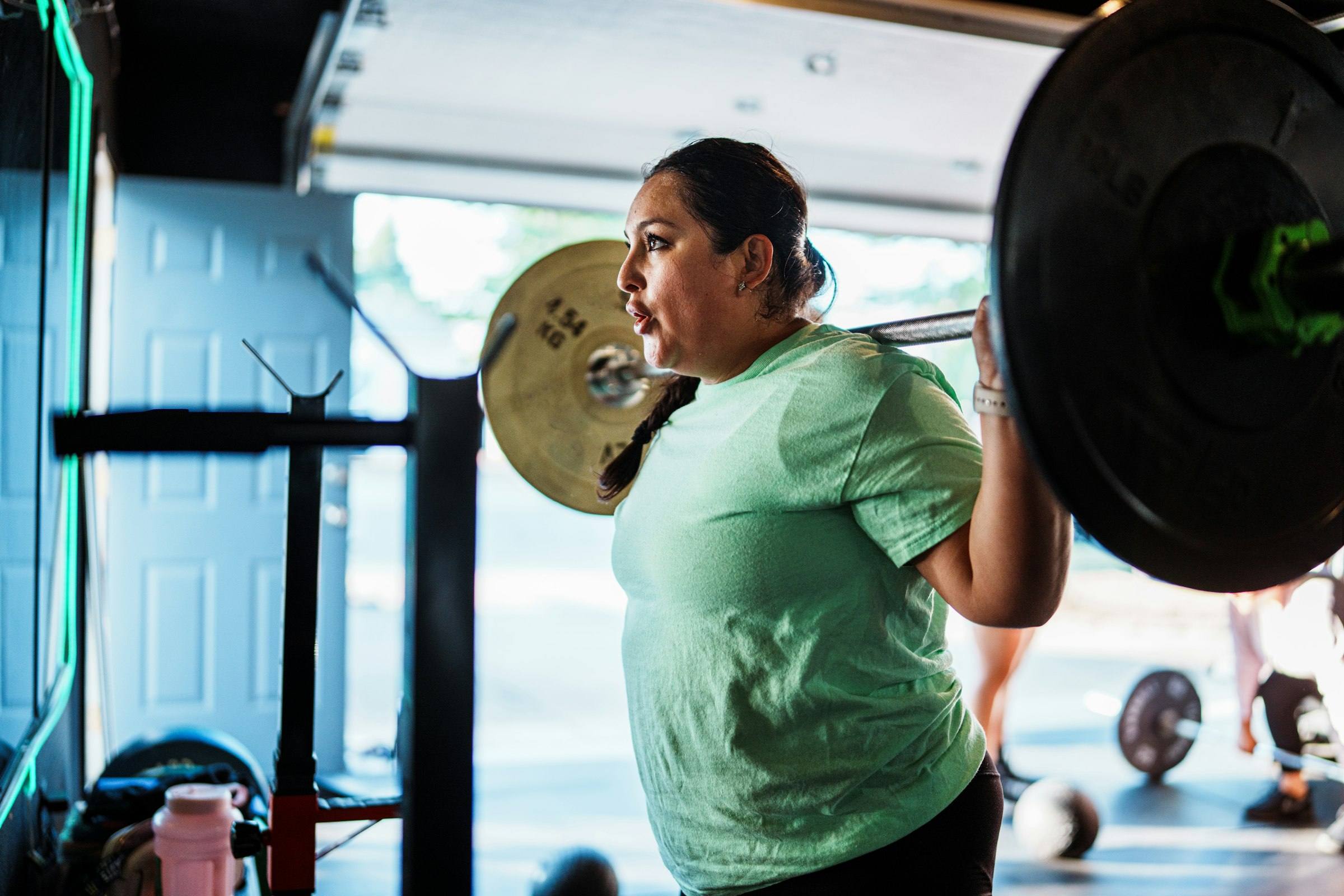
Strength training is the clearest signal you can send your body to hold on to muscle. It can be done with dumbbells, machines, resistance bands or your own body weight. What matters is that the effort is real: the last few reps of each set should feel hard while your form stays good.
Aim for two to three sessions a week, focusing on the big movements:
- A squat or sit-to-stand pattern
- A hinge, like a deadlift or hip bridge
- A push, like a push-up or overhead press
- A pull, like a row or band pull-apart
- A carry, like a farmer’s walk with weights in each hand
If you’re new to this, start lighter than you think you need to and build up gradually. If you have a health condition or an injury, check with your doctor or a qualified trainer first.
2. Make protein a priority at every meal
Protein supplies the building blocks your body uses to maintain muscle. When you’re eating less overall, it becomes even more important to make your food choices count.
Instead of counting every gram, start with a simple habit: include a good protein source at each meal. Eggs, Greek yogurt, fish, poultry, lean meat, beans, lentils, tofu and cottage cheese all work. Spreading protein through the day tends to be easier and more filling than saving it all for dinner.
If you’re curious how protein relates to other terms you hear in the wellness world, our guide on peptides, proteins and amino acids breaks it down in plain language.
Your needs depend on your size, age, activity level and health, so if you’re unsure how much is right for you, a registered dietitian or your doctor can help.
3. Keep the deficit moderate
A gentler approach usually protects muscle better than crash dieting. A modest, sustainable calorie gap leaves your body with more room to keep lean tissue and gives you more energy to train. It also tends to be easier to stick with, which matters more than anything else.
If you feel exhausted, dizzy or constantly hungry, or your workouts keep falling apart, that’s a sign to ease up and eat more.
4. Keep moving every day
Training is the main event, but daily movement fills in the gaps. Walking, taking the stairs and staying on your feet more all help you burn energy without piling on extra stress. A short walk after meals is an easy habit to start with.
5. Don’t skimp on sleep and recovery
Your body repairs and maintains muscle while you rest. Consistently short sleep makes workouts feel harder, can increase hunger and cravings, and makes it tougher to stick with your plan. Aim for a regular bedtime, a cool and dark room, and some wind-down time away from screens.
If you’re using a weight-loss medication
More people are now losing weight with the help of prescription medications, which can reduce appetite significantly. That can make it easy to under-eat, and under-eating protein in particular makes muscle loss more likely. If you want to understand how these medications work, see our explainer on how GLP-1 works in your body.
Whatever approach you take, the muscle-protecting basics stay the same: keep lifting, keep prioritizing protein even when you’re not very hungry, and work with your healthcare provider on a plan that suits you. Medication decisions are always between you and your doctor.
Track more than the scale
Since the scale can’t tell you what you lost, add a few other measures:
- Strength: Are your weights or reps staying steady or going up?
- Fit: How do your clothes feel, especially around the waist?
- Energy: Do you feel better through the day?
- Photos and measurements: Take them every few weeks in similar lighting.
- Daily life: Are stairs, carrying and getting up from the floor getting easier?
If your strength is holding while your waist shrinks, that’s a strong sign you’re losing fat and keeping muscle.
Your plan for this week
You don’t need to overhaul everything. Try this:
- Schedule two strength sessions on your calendar, 30 to 45 minutes each.
- Add a protein source to every meal and snack you can.
- Take a 10 to 20 minute walk on most days.
- Set a consistent bedtime and stick to it for the week.
- Write down your starting strength numbers and take a photo.
Next week, build on it. Small, repeated actions are what change your body composition over time. To explore more, visit our muscle and body composition hub for related guides.
FAQ
Can I lose fat and keep my muscle at the same time?
For many people, yes, especially with regular strength training, enough protein and a moderate calorie deficit. Beginners often have the easiest time. Results vary from person to person.
Do I need to eat more protein if I’m not lifting weights?
Protein still supports your body when you’re eating less, but strength training is what tells your body to keep muscle. Combining the two works better than either one alone.
Is the scale useless, then?
Not at all, it’s just incomplete. Use it alongside strength, measurements, photos and how you feel to get a fuller picture of your progress.
This article is for general education and wellness information only. It isn’t medical advice and doesn’t diagnose or treat any condition. Talk with a qualified healthcare professional before changing your diet, exercise routine or medications.
Educational content, not medical advice. Talk to a qualified professional before making changes to your health routine.