
You started strong. The scale moved, your clothes fit differently, and then everything stopped. Nothing changed in your routine, but the number won’t budge.
A plateau is frustrating, but it is one of the most common parts of losing weight. It doesn’t mean you’ve failed, and it doesn’t mean your body is broken. It usually means something has shifted, and you can adjust for it.
Why Plateaus Happen
As you lose weight, your body needs less energy to move around and keep itself going. A smaller body simply burns fewer calories than a larger one. The routine that created a gap between what you eat and what you burn can slowly close that gap.
A few other things also play a part:
- Portion creep. Over weeks, servings drift larger and “just a bite” adds up without you noticing.
- Less everyday movement. When you’re dieting, your body may quietly cut back on fidgeting, walking, and standing.
- Lost muscle. Muscle helps you burn energy, so losing it can make progress harder.
- Sleep and stress. Poor sleep and high stress can affect hunger, cravings, and how well you stick to your plan.
- Water shifts. Hormones, salty meals, hard workouts, and your menstrual cycle can all hide fat loss on the scale for days or even weeks.
Knowing this takes some of the sting out. You’re not doing it wrong. Your starting point has changed, so your plan may need a tune-up.
First, Make Sure It’s a Real Plateau
Before you change anything, check that you’re actually stalled. Weight naturally moves up and down by a few pounds from day to day.
Look at the trend, not a single weigh-in
Weigh yourself at the same time under the same conditions, such as first thing in the morning after using the bathroom. Then look at the average over two to three weeks. If that average is flat, you may be on a true plateau.
Check other signs of progress
The scale is only one measure. Take a tape measurement of your waist, notice how your clothes fit, and track your strength, stamina, and energy. If those are improving, you may be losing fat even while the scale holds still.
Seven Steps to Try This Week
You don’t need to do all of these at once. Pick two or three, give them a couple of weeks, and see how things respond.
1. Do an honest food check
For three to five days, write down everything you eat and drink, including oils, sauces, snacks, and weekend meals. Most people find a few surprises. You’re not looking for perfection, just a clear picture of where things have drifted.
Measure a few foods you usually eyeball, like nut butter, cereal, rice, and cooking oil. These are easy to underestimate.
2. Prioritize protein and fiber
Meals built around protein and fiber tend to keep you fuller for longer. Aim to include a protein source at each meal, along with vegetables, beans, fruit, or whole grains. This helps you stay satisfied with fewer calories and supports your muscle while you lose weight.
3. Lift something heavy
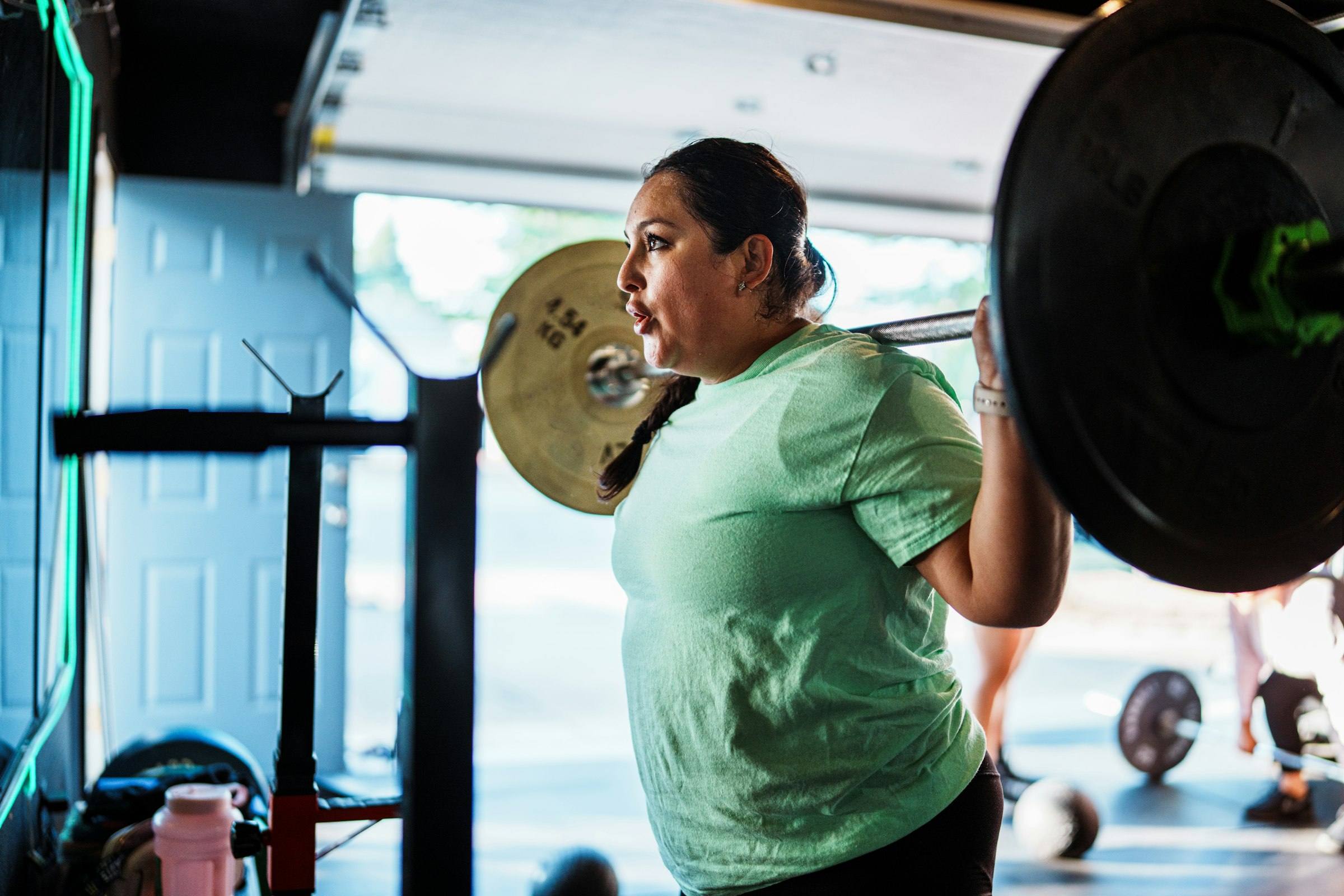
If your routine is mostly walking or cardio, add two or three strength sessions a week. Squats, rows, presses, and carries all count, whether you use machines, dumbbells, or your own body weight. Holding on to muscle matters more than many people realize. Our article on why protecting muscle matters when you lose weight explains the reasons in plain language.
4. Move more outside of workouts
Everyday activity adds up. Try a short walk after meals, take the stairs, stand while you take calls, or park farther away. Raising your daily step count a bit is one of the easiest changes to stick with, and it doesn’t leave you as tired as a harder workout would.
5. Protect your sleep
When you’re short on sleep, hunger and cravings can feel louder, and it’s harder to make good choices. Try keeping a steady bedtime, dimming lights in the evening, and keeping caffeine to the morning and early afternoon. If sleep is a struggle, our sleep goal page is a good place to start.
6. Manage stress on purpose
Ongoing stress can lead to emotional eating, skipped workouts, and poor sleep. You don’t need an elaborate plan. A ten-minute walk, a few slow breaths, time outdoors, or a call with a friend can help. Choose something you will actually do.
7. Take a planned break
Sometimes the best move is to pause the push. A week or two of eating at maintenance, with plenty of food and good sleep, can reset your energy and your mood. Many people return to their plan feeling sharper and more motivated. This works best as a deliberate choice with a start and end date, not as an open-ended drift.
What Not to Do
When progress stalls, it’s tempting to slash calories or add a lot of extra exercise. That can backfire. Eating far too little can leave you tired, hungry, and more likely to lose muscle. Doing too much training without enough recovery can leave you sore and worn out.
Aim for small, repeatable changes. Consistency beats intensity, especially over months.
A Simple Plan for This Week
Here is one way to put this into practice:
- Monday: Start tracking your food for three to five days and note your portions.
- Tuesday and Thursday: Do a strength workout, even if it’s only 30 minutes.
- Daily: Add a 10 to 15 minute walk, ideally after your largest meal.
- Every night: Pick a bedtime and protect it.
- Sunday: Review your notes, check your waist measurement, and choose one change to adjust for next week.
Then be patient. Give any change at least two to three weeks before deciding whether it’s working.
When to Get Extra Support
If you’ve followed a steady plan for a month or more and nothing has changed, or if you have symptoms like unusual fatigue, big changes in your cycle, or other concerns, talk with a healthcare professional. They can look at your whole picture, including medications and health conditions that may affect weight.
For more on how your body manages energy, explore our weight and metabolism goal page.
The Bottom Line
A plateau is a signal, not a verdict. Check your trend, tighten up the basics, protect your muscle, move a little more, and take care of your sleep and stress. Small adjustments, repeated week after week, are what get things moving again.
FAQ
How long does a weight-loss plateau usually last?
It varies from person to person. Many stalls ease within a few weeks once you adjust food, activity, or recovery. If nothing has changed after a month of steady effort, consider checking in with a healthcare professional.
Should I eat less to break through a plateau?
Usually not as a first move. Cutting too far can leave you tired and hungry and can cost you muscle. Tighten up portions and food tracking first, then make small changes if you need to.
Is it normal for the scale to stall while my body changes?
Yes. Water shifts and gains in muscle can hide fat loss on the scale. Track your waist measurement, how your clothes fit, and your strength alongside your weight for a fuller picture.
Educational content, not medical advice. Talk to a qualified professional before making changes to your health routine.